





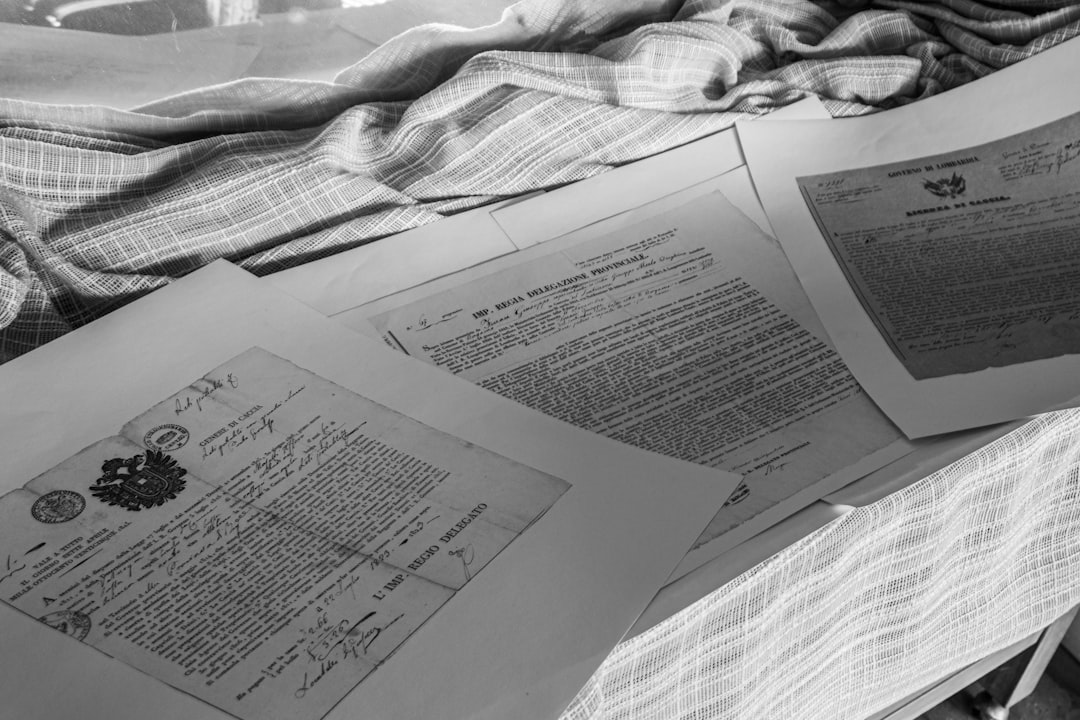
A purchaser of residential property in NSW has a 5 business day cooling-off period after exchange of contracts, during which the contract may be rescinded by written notice. The right is strictly circumscribed: a s 66Y certificate attached to the contract at exchange eliminates it entirely, and a notice served after 5pm on the fifth business day is simply ineffective, leaving the client bound regardless of how close the timing was. The practical risk is not obscure. Solicitors have had clients lose deposits after rescission notices timed out by minutes, and others have advised that the cooling-off period was running when a waiver certificate had already extinguished it.
Section 66W of the Conveyancing Act 1919 (NSW) s 66W provides that a purchaser of residential property may rescind the contract at any time before 5pm on the fifth business day after the day on which the contract was made. The period begins at exchange. In Sindel v Georgiou (1984) 154 CLR 661, the High Court confirmed that a contract for the sale of land is made when the parties' signed counterparts are exchanged, not merely when both parties have signed. Day zero is the day of exchange; the five business days run from the following business day.
A purchaser who exchanges on a Friday afternoon has until 5pm on the following Friday (assuming no public holidays) to serve a rescission notice. Notices served after the 5pm deadline, even by minutes, are ineffective and the contract remains on foot. The cooling-off period may be shortened or extended by written agreement between the parties under s 66W.
Not every residential contract attracts the protection. Section 66W does not apply to contracts for the sale of rural land or to contracts made at auction. The auction exemption also captures same-day private sales: where a property is passed in and a registered bidder enters into a private contract with the vendor on the same day as the auction, s 66W excludes the cooling-off period for that transaction as well.
Separately, the right can be waived before or at exchange through a certificate given under Conveyancing Act 1919 (NSW) s 66Y (NSW) s 66W. A solicitor acting for the purchaser certifies that the purchaser has obtained independent legal advice and waives the period. Once a s 66Y certificate has been exchanged with the contract, no cooling-off right exists under s 66W. The waiver is complete and irrevocable at exchange. Confirming whether a s 66Y certificate is attached before advising a client that the period is running is not a formality.
Practitioner observation: Clients who have attended a solicitor before exchange sometimes believe the cooling-off period is preserved because they received advice. A properly executed s 66Y certificate extinguishes the right entirely; the advice and the waiver can coexist. The misconception matters because a client who acts on an incorrect assumption that rescission remains available may delay steps that would otherwise protect the purchase.
Rescission under s 66W is not cost-free. A purchaser who validly rescinds forfeits 0.25% of the purchase price to the vendor: $3,000 on a $1.2 million purchase. The remainder of any deposit paid is refunded.
To rescind, the purchaser must give written notice to the vendor or the vendor's agent before the 5pm deadline. The notice must unambiguously communicate the intention to rescind and must be served in accordance with the method authorised by the contract and the Conveyancing Regulation 2022 (NSW). Where electronic service is contemplated, the contract must explicitly authorise it; service by email or messaging platform absent such authority may not constitute valid service, leaving the deadline to pass without effective notice.
A telephone call or a without-prejudice email does not constitute rescission. The contract remains on foot until written notice is formally served.
Three points determine outcome in most matters. First, confirm before advising that the cooling-off period applies at all: check the property classification, the sale circumstances (auction or private treaty, and if passed in, whether a private contract followed on the same day), and whether a s 66Y certificate has been or will be signed. Second, calculate the rescission deadline from the exact date of exchange and diarise the 5pm cut-off with precision, not the date alone. Third, confirm the authorised method of service before the deadline arrives, not after a rescission notice has been dispatched in a form the contract does not sanction.
The client's decision to rescind should also be made with clear knowledge that 0.25% of the purchase price is forfeited regardless of the reason for walking away.
Solicitors advising on NSW residential contracts can search the current judicial treatment of the exchange-completion principle from Sindel v Georgiou, the operation of the s 66Y waiver, and service-of-notice decisions under the Conveyancing Regulation 2022 (NSW) in Habeas, cited to paragraph level, including any authority postdating amendments to the regulation that a case summary from an earlier date would not capture.
The legal research in this article was conducted and every citation verified using Habeas, the Australian legal AI research platform.
Hero image: MicheleAroundTheWorld on Unsplash
