


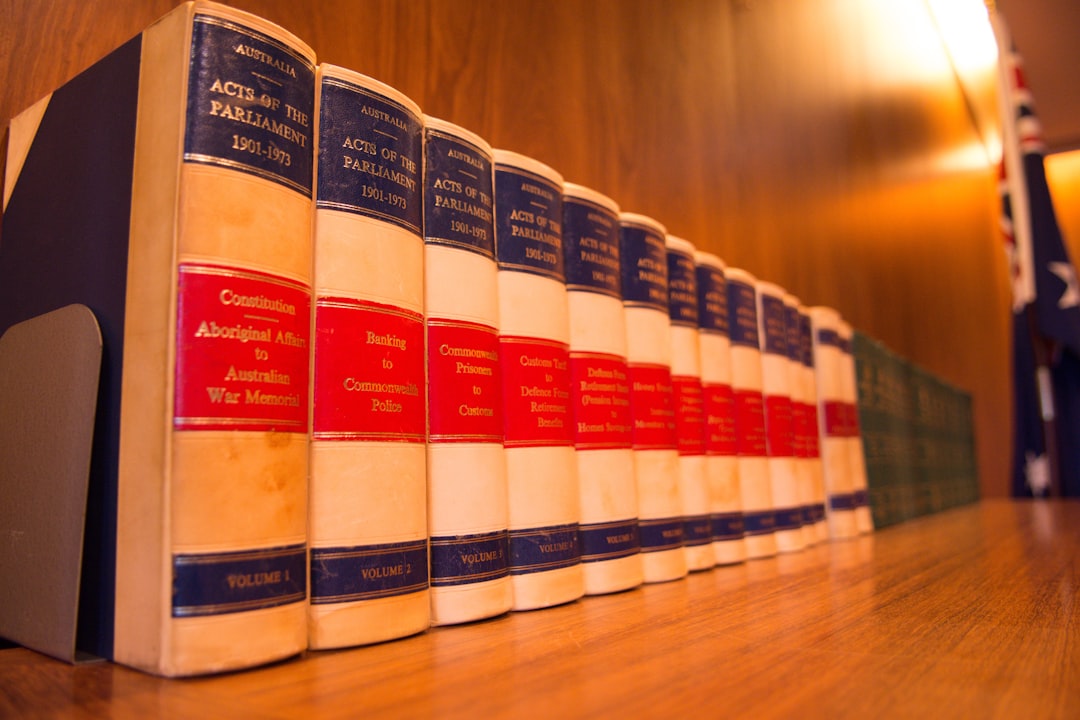


A brief arrives at 4pm. The hearing is in three days. The bundle runs to six hundred pages, the instructing solicitor's memo references seventeen authorities, and the client has spent two years developing a theory of the case that may or may not survive contact with the actual law. The barrister's first task is not to read everything. The task is to find out, quickly, what actually matters.
That triage step is where most time gets lost, and where most risk accumulates.
Sequential reading is how most brief review still happens. Start at the front, work to the back, highlight as you go, build a picture of the issues in parallel with the reading. This approach has a hidden cost: by the time a barrister reaches page four hundred, the texture of pages fifty through one hundred is already fading. Threads that should connect don't, because holding ten live issues in working memory while simultaneously hunting for a controlling case is simply not how human cognition works under time pressure.
Generic search tools don't solve this. Running keyword searches against a national database returns volume, not analysis. The barrister still has to do the synthesis: which of these cases is actually on point, which is distinguishable on the facts, which cites the one that matters. That work is the work. And generic AI tools are actively dangerous here, because they will hallucinate citations with complete fluency. A case that doesn't exist, cited with a correct-sounding Medium Neutral Citation, is worse than no case at all. It passes the cursory check and fails the moment it hits the bench.
The real triage problem is not "find me some cases." It is: given this factual matrix and these live issues, what does the Australian authority landscape actually look like, where are the gaps, and what procedural risks has everyone assumed away?
Habeas's Research Assistants are configured agentic research tasks that return structured, cited analysis rather than raw hits. For brief triage, the workflow looks like this: a barrister uploads the brief and related materials into a Document Store, then sets a Research Assistant to work on the specific questions the matter raises. Not a keyword search. A properly framed analytical question, grounded in the barrister's own documents and cross-referenced against Australian primary law.
What comes back is not a list of cases. It is a structured synthesis: authorities mapped to each identified issue and ranked by weight, with notes on how they interact, and a clear account of where the gaps sit. The limitation period nobody has addressed in the solicitor's memo. The costs discretion under a particular provision the client has assumed away because it has never been contested. A Research Assistant surfaces these because it is not reading linearly. It is searching across the whole landscape simultaneously, and the gaps are often what matter most.
The citations link to source material. Everything is traceable and verifiable. This matters not only for professional obligations under the court's AI guidance, but because a barrister needs to be able to check the authority before relying on it. The audit trail from AI-assisted research to verified authority should be short and visible.
The practical effect is compression, and it compounds. Foundational research processes that used to take a full morning can now be completed in minutes. For brief triage specifically, that compression is structural rather than incidental. The brief arrives at 4pm. The barrister has a picture of the live issues and the authority landscape before dinner. Conference with instructing solicitor tomorrow morning starts from a different position: not "here is what I have read so far," but "here is what the case is actually about, here is where it is vulnerable, here is what we need."
That shift ripples forward. Brief review, authority gathering, submissions drafting, case-law monitoring, trial preparation: the manual labour at each of those points is where the hours go. Returning those hours as usable time means the work that requires a barrister, analysis, judgment, advocacy, strategy, gets the time it deserves.
Habeas assists the triage. It does not form the view. The Research Assistant identifies the authority landscape and flags the gaps; the barrister decides what the gaps mean for the case. The judgment call about which issues to run, which concessions to make, how to frame the submission for this tribunal on this day belongs entirely to counsel. A tool that claimed otherwise would not be worth trusting.
What the tool removes is the cognitive overhead of the mechanical work: the searching, the cross-referencing, the holding-ten-things-in-mind-at-once while reading sequentially through a bundle that arrived this afternoon. That overhead is real, and returning it to the barrister as usable hours changes what the hearing preparation can be.
The Document Store and Research Assistant configuration that does this takes less time to set up than the first read of that six-hundred-page bundle. habeas.ai.
The legal research in this article was conducted and every citation verified using Habeas, the Australian legal AI research platform.
Hero image: Aleix Ventayol on Unsplash
